I've had a problem with the phrase "beach read" for a while.
Not the category itself. I have no objection to books you can read outside in warm weather. I mean the implication that a beach read should be easy, uncomplicated, light. As if the beach is a stress-free environment where nothing goes wrong, which is not, in my experience, what the beach is like. The riptides. The sunburn. The specific anxiety of watching children near water. The beach isn't actually breezy. We just say it is because we want it to be.
Romance readers seem to have arrived at the same conclusion, and they've named what they actually want: beachy gothic.
What is "beachy gothic," anyway?
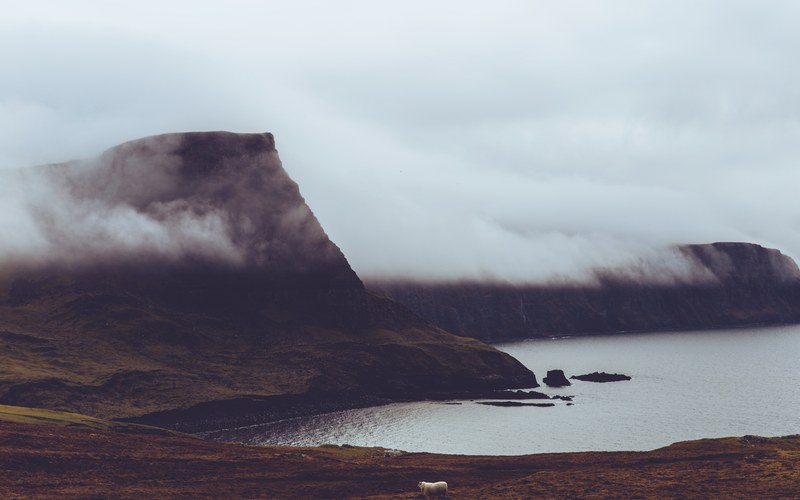
Beachy gothic isn't a formal genre yet. It's a mood, a reader shorthand, a way of describing a specific feeling that's been in the conversation without a clean label until now. The setting is coastal, beautiful, and full of light. The story is dark, atmospheric, and full of secrets. The surface gives you the vacation escapism you're craving. The underneath gives you the reason to keep reading past midnight.
TikTok's newsroom called it out directly in their 2026 summer reading list, using the phrase "sun-bleached atmosphere with dark secrets underneath." That description is doing a lot of work. The sun-bleached part is the immersion: a gorgeous place to live inside for three hundred pages. The dark secrets part is the architecture. Readers want both in the same book, and the recent explosion of coastal atmosphere titles suggests they've been wanting it for a while.
Beachy gothic is adjacent to gothic romance proper (old houses, dark inheritance, a pervasive sense of dread), but it's lighter on its feet. The settings tend to be communities rather than isolated estates, harbor towns and fishing villages rather than fog-shrouded manors. The source of dread is social or historical as often as it's supernatural: a town where everyone knows something they're not saying, a family whose money doesn't add up, a harbor that keeps careful track of what passes through it and why.
What it shares with gothic romance is the insistence that the place matters. The setting isn't backdrop. It's a character with a memory and an agenda.
Why readers are craving secrets under sunlight
There's a reading-psychology reason this specific combination is landing right now.
Romance readers in 2026 are looking for escape into immersion more than escape into ease. The books that generate the most conversation (the ones readers recommend with that particular intensity that means "I still thought about this at 3 AM a week later") are books with beautiful places and real stakes. Low stakes, on its own, doesn't relax people. It just removes the reason to care.
Beachy gothic gives you the immersion of a gorgeous setting (you're there, it's atmospheric, you can smell the salt air through the prose) while giving you something to care about (what is happening in this town, why is everyone lying about it, and why does the hero know more than he's saying). It's summer reading that trusts your intelligence and your desire for tension, which appears to be exactly what people want from their vacation reading right now.
There's also a sensory dimension that coastal books have always done well with: light, heat, water, specific harbor sounds and smells. Beachy gothic keeps all of that while adding the texture of the hidden thing underneath. The morning fog on the harbor isn't just atmosphere. It's a physical fact about what nobody's saying out loud.
And honestly? There's something comforting about a place that has secrets. It means the place is interesting. A town where everything is exactly as it seems is a town with nothing to offer. A harbor town where the ledgers don't quite add up, where the old families have old agreements, where the fog comes in every morning and covers what it covers. That's a place worth three hundred pages of your time.
Six signs you're reading a beachy gothic romance
The setting functions as a character. In beachy gothic, the coast isn't where the story happens to be set. The harbor, the cliff path, the lighthouse, the particular quality of light at tide-in: these do narrative work. They shape what's possible and what's hidden. Strip the place out and the story would fall apart.
The community has a memory. Small towns in this genre remember things. The locals know more than they're saying. There's a history to the place that characters keep running up against: old agreements, old debts, old lies that haven't finished paying out. Family lines matter. What happened thirty years ago matters.
There's a beautiful surface and a complicated underneath. The surface can be genuinely gorgeous: the prose, the scenery, the romantic tension between two people who shouldn't be in each other's orbit. But underneath, something is wrong in ways that take the whole book to resolve. This isn't darkness for its own sake. The secrets are structural. They're load-bearing.
The heroine is paying attention. Beachy gothic heroines tend to be observant. They notice things that don't add up. They read situations the way other people read maps. This is partly practical (the secrets are real and need solving) and partly about a fantasy that I think is underrated: a woman who is taken seriously for what she notices.
The romance is tangled up in the secret. In the best beachy gothic, you can't resolve the love story without resolving the hidden thing, because they're made of the same material. The hero's relationship to what's concealed is what the heroine has to decide whether to trust. Those are the same question, and the book knows it.
The atmosphere is consistent. This is the craft signal that separates deliberate beachy gothic from a romance that just happens to be near water. Fog-in mornings that smell like salt and something older. The particular light of late afternoon over a harbor. Sounds at night that might be the tide or might be something else. The atmosphere earns its setting by using all of it, consistently, as a load-bearing element.
The best beachy gothic romance reads for summer 2026
If you're building a long-weekend reading list and this is the feeling you're after, these deliver it:
The Smuggler's Ledger (Remy Fontaine). I have to mention it because I wrote it, and because I think it's a reasonably clean example of what I mean by all of this: a customs clerk who reads numbers the way other people read faces, a framed captain hiding more than his cargo, and a harbor town that runs entirely on the currency of what everyone is keeping from everyone else. The atmosphere is the plot. The romance is built on information slowly and reluctantly surrendered.
Seven Summers by Paige Toon. Contemporary, emotionally precise, set across multiple summers in a location that becomes inseparable from the feeling of the book. The secrets here are personal rather than criminal, but the accumulation of time and place does the same work.
People We Meet on Vacation by Emily Henry. Rightly getting attention again because of the film, and it earns it. The place-as-relationship structure is quiet but precise. The setting isn't incidental.
Mexican Gothic by Silvia Moreno-Garcia. This one goes properly dark, and it's the gold standard for what it means to make a beautiful place feel threatening without destroying its beauty. If you want to understand what the ceiling of this genre looks like, start here.
A Discovery of Witches by Deborah Harkness. Set primarily in Oxford and a historic manor, but the closed-community claustrophobia is identical. The heroine is a historian navigating a world full of things she's not supposed to know. The DNA is the same.
The Maid by Nita Prose. Not strictly romance, but the observant-heroine-in-a-community-with-secrets structure is pitch-perfect, and it does what the best beachy gothic does: uses a beautiful, controlled setting (a hotel, in this case) as a stage for what everyone is hiding.
How to find your next atmospheric beach read
The trouble with a trend that's just getting its label is that it's hard to search for by name. Publishers haven't caught up yet. So the way to find these books is by the description, not the category.
Things to look for in a blurb: "atmospheric," "coastal setting," "small town with secrets," "what really happened," "the truth about her family," "a harbor where everyone knows everyone's business." Things to look for in early reviews: "couldn't put it down partly for the atmosphere," "felt like I was actually standing there," "something felt off from page one and I couldn't stop."
Things that tell you it's probably not this genre even if it's set near water: when the coast is backdrop rather than character, when the community is friendly rather than complicated, when there's no secret or history to resolve. A sunny beach town full of nice people falling in love is a lovely thing, but it's a different thing.
The question to ask before you start: does the place in this book have a memory? If yes, you're probably where you want to be.
The fog is the point
It's tempting to say "beachy gothic is trending, so here I am with my harbor books," and I won't pretend the timing is irrelevant. But I also know I built the Harbor of Secrets on this particular premise before I had language for it: a place that's beautiful and knows things, romance tangled up in secrets that belong to the place itself, heroines who are good at noticing what other people would rather they didn't.
The trend has a name now. The feeling it's describing has existed for a long time. Readers who wanted "somewhere gorgeous that makes me a little anxious" were always out there. They just didn't have a shorthand for what they were looking for, and booksellers didn't have a shelf to point them to.
That shelf is forming right now, this summer, in the exact week you're reading this.
If you want to start there: The Smuggler's Ledger is the first book in the Harbor of Secrets series. It's out now. There's a foggy morning on page one, a ledger full of things it shouldn't contain, and secrets running underneath every sunny day the harbor gets. That's not a flaw in the setting. That's the whole point of it.